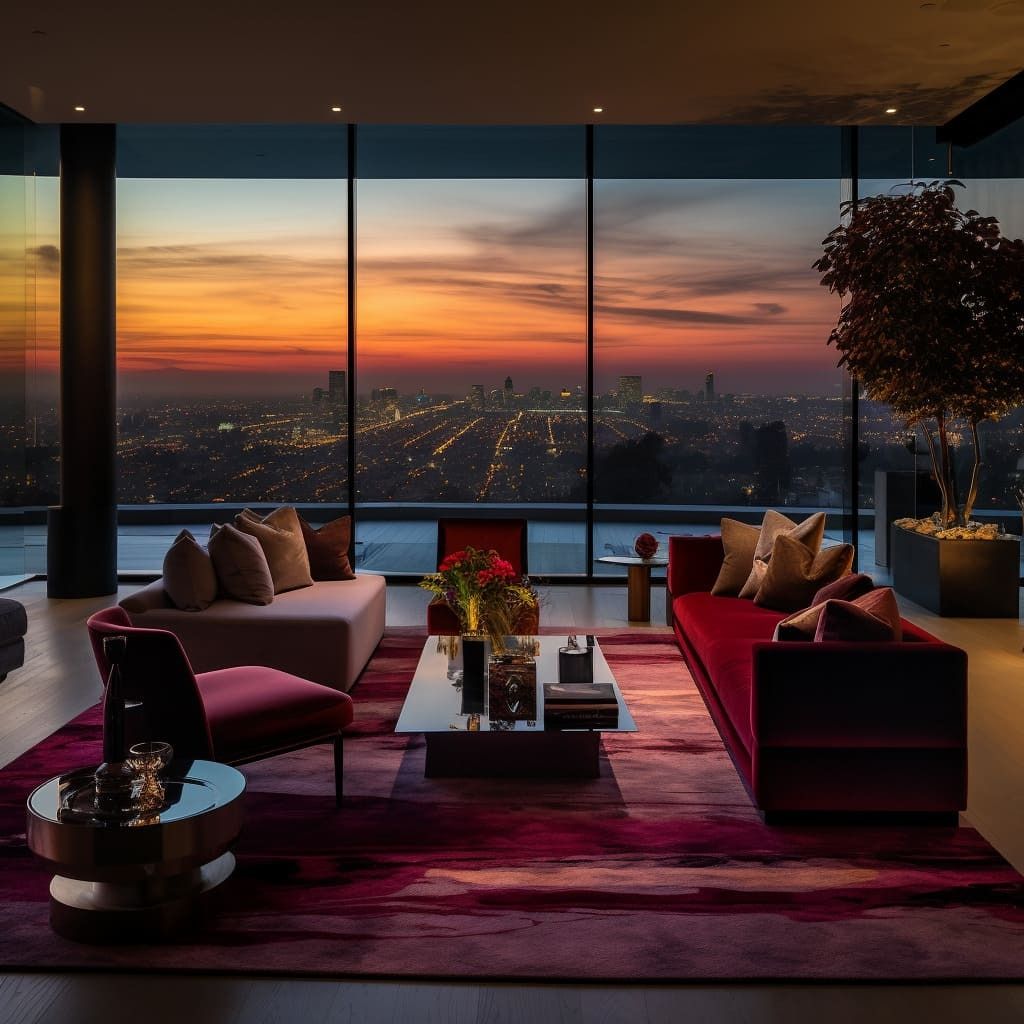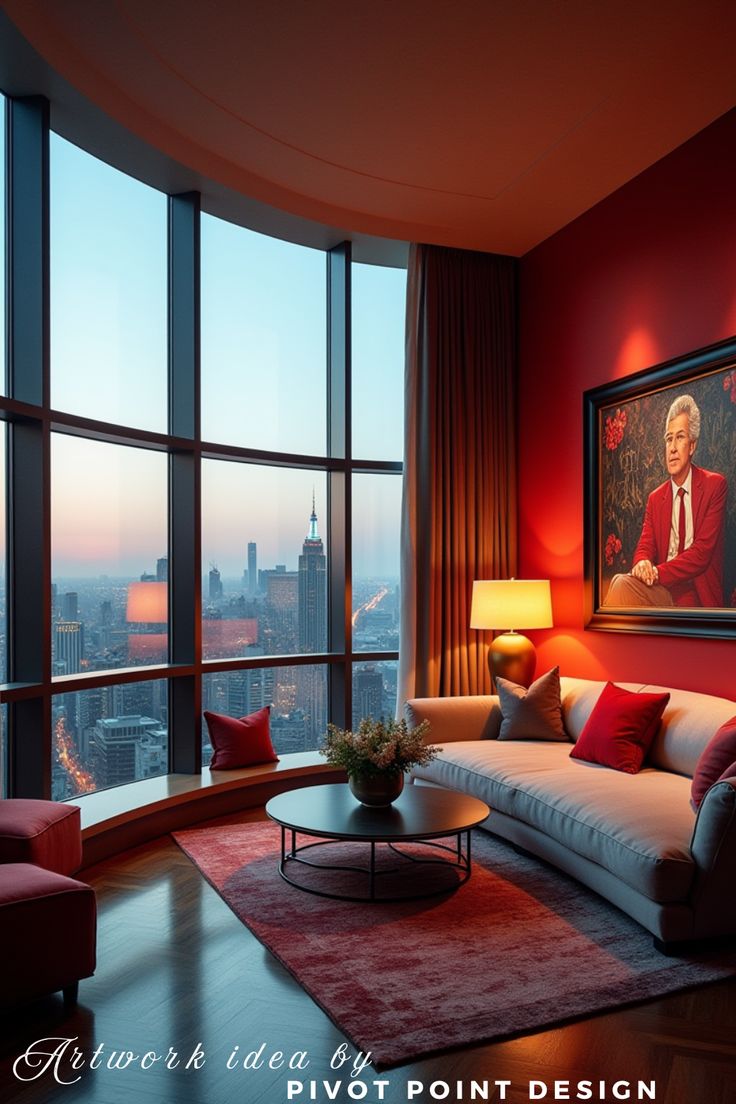
In 2026, the global luxury market is undergoing a profound transformation. No longer defined solely by exclusivity, price, or heritage, luxury is now reshaped by deeper consumer expectations around identity, experience, and responsibility.
A market in transition
The traditional pillars of luxury, rarity, craftsmanship, and status, remain essential. However, they are no longer sufficient. Today’s consumers, especially Gen Z and Millennials, are redefining what luxury means in a hyper-connected, digital-first world.
The Rise of Experiential LuxurY
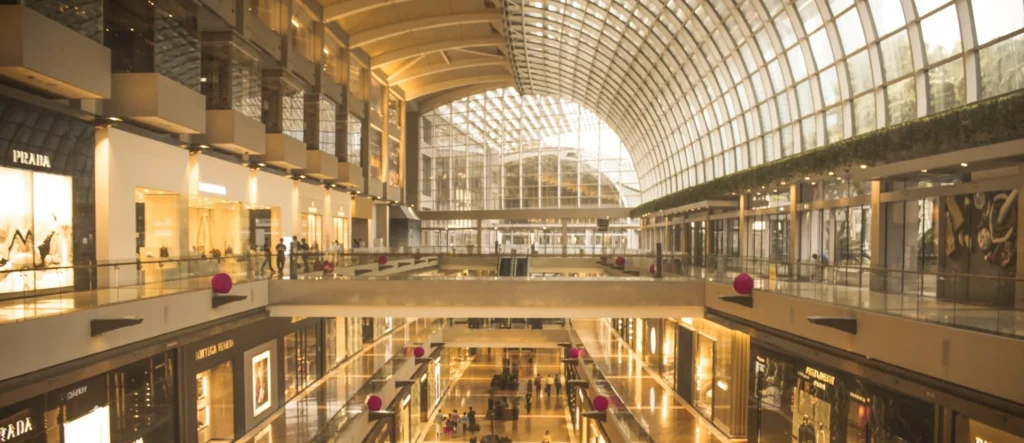
One of the most significant transformations lies in the growing importance of experience. Consumers are no longer satisfied with simply owning luxury products; they seek emotional engagement and memorable interactions with brands. This has led to the rise of experiential luxury, where immersive retail environments, personalized services, and storytelling play a central role in creating value. In this context, the product becomes only one component of a broader, more holistic brand experience.
Digital Transformation and New Brand Spaces
At the same time, digitalization has fundamentally reshaped the luxury ecosystem. Social media platforms such as Instagram and TikTok are now key drivers of desirability, influencing not only purchasing decisions but also brand perception. Luxury brands are increasingly investing in digital storytelling, virtual showrooms, and online communities to remain relevant in a world where visibility and engagement are largely mediated through screens. The notion of luxury has thus expanded beyond physical spaces into digital environments, where aesthetics and shareability are crucial.